Compression Clothing Autism: Shirts, Vests, Schedules
Compression clothing for autism and SPD: compare sensory shirts, vests, leggings, safe wear schedules, fit checks, and Amazon options.

The DPS Editorial Team
Editorial Team ·
📖 Table of Contents
Affiliate Disclosure: As an Amazon Associate I earn from qualifying purchases. Some links on this page are affiliate links - if you buy through them, we receive a small commission at no extra cost to you. This never influences which products we recommend. Full disclosure policy
Compression Clothing Autism Guide: Sensory Shirts, Vests, and Schedules
Last Updated: July 2, 2026 | Author: The DPS Editorial Team
Compression clothing for autism is wearable sensory clothing that applies snug, elastic pressure through shirts, vests, leggings, shorts, or full-body garments. Some autistic children, teens, and adults use compression clothing as part of a sensory routine because predictable pressure can feel organizing or calming. The response is individual, and the research base is limited, so compression garments should be treated as support tools to trial carefully, not as treatment for autism, ADHD, anxiety, insomnia, or sensory processing disorder.
Occupational therapists may include compression garments in a broader sensory plan when the person seeks firm pressure, has trouble tolerating busy environments, or benefits from discreet proprioceptive input. A 2015 systematic review in the American Journal of Occupational Therapy found stronger support for individualized sensory integration approaches than for one-size-fits-all sensory-based tools, and noted that evidence for tools such as weighted and compression garments remains mixed (Watling & Hauer, 2015).
This guide covers how compression clothing works, which garments fit different sensory routines, how to select compression level, and what safety rules to check before buying.
Affiliate disclosure: This article contains affiliate links. If you purchase through our links, we may earn a commission at no extra cost to you. Our recommendations prioritize fit, safety, and editorial research; affiliate relationships do not determine clinical or sensory guidance.
TL;DR: Compression clothing may provide steady proprioceptive input for autistic people and others with sensory processing differences. Useful options include compression vests for targeted torso pressure, compression shirts for discreet school or work use, and leggings for lower-body input. Evidence is mixed, so start with short supervised trials, follow occupational therapist guidance for children or complex needs, and stop if the garment restricts breathing, movement, temperature regulation, or communication.
How Compression Clothing Works for SPD
Sensory processing disorder means the brain has difficulty organizing and responding to sensory input. Some people with SPD are sensory seekers — their nervous system craves more input than typical environments provide. Others are sensory avoiders — their system is overwhelmed by input that most people filter out easily.
Compression clothing may fit either profile, but it is not automatically helpful for everyone.
For sensory seekers
Sensory seekers may prefer firm pressure, resistance, tight clothing, or heavy work. Compression garments can provide steady tactile and proprioceptive feedback without requiring the person to actively seek pressure every few minutes. For some people, that predictable input makes transitions, desk work, or errands feel more manageable.
For sensory avoiders
This can seem counterintuitive: if someone is overwhelmed by touch, why would compression help? For some sensory avoiders, predictable, even, consistent pressure feels more tolerable than light, unexpected, variable touch. For others, tight clothing feels worse. Start with consent, a short trial, and an easy way to remove the garment.
Weighted vests and elastic compression clothing are related but distinct tools. An early pilot study of four children with attention difficulties found improved on-task behavior while wearing weighted vests, but that evidence should not be generalized to all autistic people or to elastic compression clothing (VandenBerg, 2001).
For the science behind this mechanism, see our complete guide to deep pressure stimulation.
Types of Compression Clothing for SPD
Compression vests
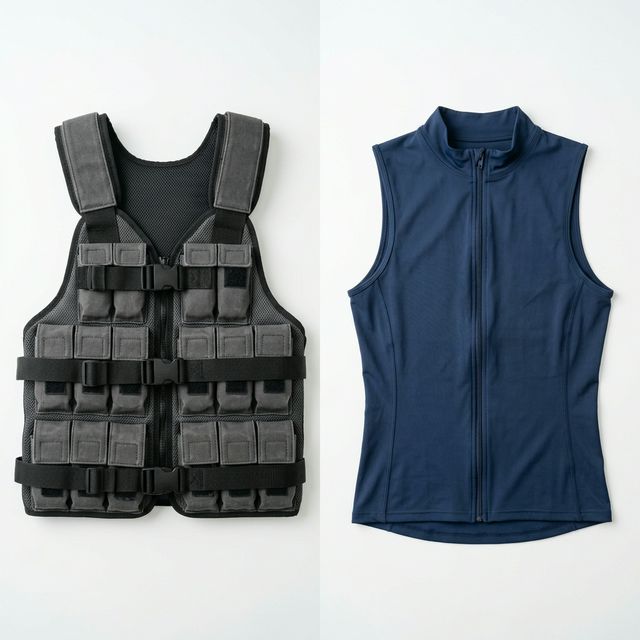
A compression vest autism plan usually targets the torso with adjustable pressure from Velcro straps, elastic panels, or neoprene construction. Vests are common in occupational therapy sensory plans because they are easier to put on, remove, and adjust than pull-on shirts.
Best for: Children and adults who need focused torso compression. The torso is a common target for deep-pressure input, but “more pressure” is not automatically better. Fit, heat, consent, and the person’s response matter more than maximum squeeze.
Advantages:
- Adjustable compression levels
- Can be worn over or under clothing
- Easy to put on and remove
- Can be worn during specific activities and removed when not needed
Recommended options:
- Compare Harkla compression vests on Amazon — Look for adjustable panels, breathable fabric, a clear size chart, and easy independent removal
- Compare sensory compression vests on Amazon — Compare closure style, return policy, heat level, and whether the wearer can remove it independently
For a deep comparison, see our compression vests for autism and ADHD guide and our compression vests for adults with SPD guide.
Compression shirts and tops
Compression shirts for autism provide circumferential pressure around the torso, chest, and upper arms through tight-fitting elastic fabric. Unlike vests, they look like regular athletic wear and are discreet under school, work, or everyday clothing.
Best for: Adults and teens who want a low-profile trial in professional, school, or social settings where a visible vest would draw attention.
Advantages:
- Invisible under regular clothing
- Consistent, moderate compression
- Can be worn during longer blocks with breaks
- Moisture-wicking options available for comfort
Recommended options:
- Compare compression shirts on Amazon — Best for discreet all-day trials and athletic-style base layers
- Compare compression tanks on Amazon — Useful when sleeves feel irritating or too warm
Compression leggings and pants
Lower body compression targets the legs, hips, and glutes. Compression leggings may provide input during walking, standing, and sitting.
Best for: People who find leg restlessness or fidgeting is their primary sensory challenge. They can also suit desk work when lower-body input feels organizing.
Advantages:
- Provides proprioceptive input during movement
- Looks like regular athletic wear
- Can be worn under pants or independently
Recommended options:
- Compare compression leggings on Amazon — Prioritize breathable fabric, a non-restrictive waistband, and easy returns
- Compare compression tights on Amazon — Better for lower-body input during school, work, or movement breaks
Full-body compression suits
For children with significant sensory processing needs, full-body compression suits or sensory body suits provide broader input. These are usually better for short, supervised sensory routines than all-day wear.
Best for: Short, supervised therapy sessions or structured sensory routines when an occupational therapist recommends broader body input.
Read more about full-body and movement-based options in our body socks sensory guide and our compression vest vs weighted vest comparison.
Citation Capsule: Compression clothing may support sensory seekers who prefer firm pressure and some sensory avoiders who tolerate predictable pressure better than light touch. Evidence is mixed, and the safest approach is an individualized trial with clear stop rules.
How to Choose the Right Compression Level
Not all compression is equal, and more is not always better.
Light compression (15-20 mmHg)
- Gentle, consistent squeeze
- Suitable for sensory avoiders who are touch-sensitive
- More comfortable for longer daytime wear
- Common in athletic compression shirts
Moderate compression (20-30 mmHg)
- Noticeable, firm pressure
- Often used for structured sensory trials
- Better for targeted blocks than unsupervised all-day wear
- More likely to require careful sizing and breaks
Firm compression (30+ mmHg)
- Strong pressure, typically found in medical-grade garments
- May be too intense for daily sensory use
- Usually appropriate only for specific clinical recommendations
- Requires occupational therapist or medical guidance
Finding the right fit
The garment should feel snug and provide noticeable pressure, but not feel restrictive, painful, or circulation-limiting. Signs that compression is too tight:
- Numbness or tingling in extremities
- Skin indentation that persists more than a few minutes after removal
- Difficulty breathing with torso garments
- Skin irritation or redness beyond mild contact marks
Signs that compression is too light:
- No noticeable proprioceptive input
- The garment feels like regular clothing
- No clear change in comfort, regulation, or alertness
For a first trial, the goal is noticeable but comfortable pressure. If the garment feels like regular clothing, it may not provide meaningful sensory input. If it feels trapping, hot, painful, or hard to remove, it is the wrong fit for that person.
Compression Clothing Safety Guidelines
Compression clothing should feel snug, not restrictive. Use these rules before buying for a child, autistic adult, or anyone with medical complexity:
- Check heat and fabric. Neoprene and dense elastic panels can trap heat and sweat. Choose breathable fabrics or shorter wear blocks for warm rooms, active children, or anyone who has trouble noticing overheating.
- No infants or children under 2. Do not use compression garments on infants or toddlers under 2 years old.
- Use clinical guidance for young children. Children ages 2-4 should use compression clothing only with direct, awake adult supervision and pediatric or occupational therapist guidance.
- Breathing and movement must stay normal. Torso garments should never restrict breathing, posture, shoulder movement, or communication.
- The wearer needs a way out. The person should be able to remove the garment independently or clearly signal when they want it removed. If a child cannot undo the closure, use direct supervision.
- Avoid sleep use. Do not use tight compression garments during sleep unless a clinician has given specific guidance for that product and person.
- Stop for warning signs. Remove the garment for overheating, distress, panic, tingling, numbness, skin irritation, lingering red marks, restricted breathing, or unusual fatigue.
- Ask first for medical concerns. Consult a clinician before using compression clothing with asthma, respiratory conditions, circulation issues, seizure disorders, significant mobility limitations, severe claustrophobia, skin fragility, or complex medical needs.
For children, use compression clothing as part of an occupational therapist-guided sensory plan when possible. A simple trial log can help: garment used, time worn, setting, comfort, warning signs, and whether the person wanted to use it again.
Pressure Vest Wearing Schedule and Wear Time Guidelines
Compression clothing for SPD should not be worn 24/7 without breaks. The nervous system adapts to constant input, which can make the pressure feel less noticeable over time. A pressure vest wearing schedule is a simple plan for when the garment goes on, when it comes off, and what signs mean the trial should stop.
Recommended starting schedule
- First week: start with 15-30 minutes for children or 30-60 minutes for adults
- Weeks 2-4: increase only if the wearer remains comfortable, wants to continue, and shows no warning signs
- Targeted use: try the garment before predictable transitions, desk work, errands, or other settings where firm pressure has helped before
- Breaks: remove compression for at least 1-2 hours between sessions, or sooner for heat, distress, tingling, or resistance
- Sleep: most OTs do not recommend wearing compression clothing during sleep; a weighted blanket may be a better nighttime deep pressure option when used safely
Rotating compression with other tools
To prevent habituation, alternate compression with other deep pressure tools throughout the day. A sensory diet might include:
- Compression shirt during morning and work hours
- Weighted lap pad during focused desk work
- Movement breaks with proprioceptive activities midday
- Weighted blanket at bedtime
For a complete approach, see our sensory diet with deep pressure guide.
Compression Clothing for Children vs. Adults
Children with SPD
Children often benefit from compression vests with adjustable closures rather than pull-on compression shirts. Vests can be applied quickly during transitions and removed when the child does not want the input. Adjustability lets parents and therapists fine-tune the pressure level.
For school, some children wear compression under regular clothes as part of a sensory accommodation. A thin compression shirt under a uniform is discreet and easier to trial than a visible vest.
Adults with SPD
Adults generally prefer the discretion of compression athletic wear. A compression shirt or tank can look like a normal base layer and may be easier to trial than a visible vest. Some adults with sensory processing differences report that compression clothing improves daily comfort, while others find it distracting or too warm.
The biggest barrier to compression clothing for adults with sensory processing differences is often awareness. If you suspect compression might help, start with a low-cost athletic compression shirt, track your response, and stop if the pressure feels restrictive, hot, or irritating.
Citation Capsule: Start compression garment wear with short trials and build gradually only if it remains comfortable. Rotate compression with other sensory tools to reduce habituation. Children often benefit from adjustable garments with adult supervision; adults typically prefer discreet compression athletic wear under regular clothing.
Frequently Asked Questions
Can I wear compression clothing all day?
Some adults tolerate light compression during work hours, but breaks are important. Start with short trials, remove the garment for 1-2 hours between sessions, and stop for heat, distress, tingling, numbness, or restricted breathing.
Is compression clothing the same as a compression vest?
No. “Compression clothing” is the broader category that includes shirts, vests, leggings, shorts, and full-body garments. A compression vest targets the torso and usually has adjustable straps or panels.
Will insurance cover compression garments for SPD?
Some health insurance plans cover compression garments when prescribed by an occupational therapist or physician as part of a treatment plan. Coverage varies, so ask for a prescription or letter of medical necessity and check HSA or FSA rules.
Can compression clothing help with meltdowns?
Compression clothing may help some people before predictable sensory stressors, but it should not be presented as meltdown prevention or used without consent during distress. During an active meltdown or shutdown, adding tight clothing may make things worse. Follow the person’s communication, remove the garment if they resist, and use the plan created with caregivers, clinicians, or the person themselves.
How do I wash compression garments?
Most compression clothing can be machine washed on a cold, gentle cycle. Air drying is strongly recommended because dryer heat breaks down elastic fibers and reduces compression over time. Avoid fabric softener, which coats fibers and diminishes the stretch properties. Expect to replace compression garments every 6-12 months with daily use as the elastic gradually loses its tension.
Frequently Asked Questions
Can I wear compression clothing all day?
Some adults tolerate light compression during work hours, but breaks are important. Start with short trials, remove the garment for 1-2 hours between sessions, and stop for heat, distress, tingling, numbness, or restricted breathing.
Is compression clothing the same as a compression vest?
No. Compression clothing is the broader category that includes shirts, vests, leggings, shorts, and full-body garments. A compression vest targets the torso and usually has adjustable straps or panels.
Will insurance cover compression garments for SPD?
Some plans cover compression garments when prescribed by an occupational therapist or physician as part of a treatment plan. Coverage varies, so ask for a prescription or letter of medical necessity and check HSA or FSA rules.
Can compression clothing help with meltdowns?
Compression clothing may help some people before predictable sensory stressors, but it should not be forced during distress. During an active meltdown or shutdown, follow the person's communication and remove the garment if they resist.
How do I wash compression garments?
Machine wash cold on a gentle cycle and air dry. Dryer heat and fabric softener can weaken elastic fibers, so daily-use garments may need replacement every 6-12 months.
Sources and Further Reading
The DPS Editorial Team
Editorial Team
The DeepPressureStimulation.com Editorial Team researches and writes about deep pressure stimulation, weighted blankets, and sensory tools. All content is based on peer-reviewed research, published clinical guidelines, and reputable health sources. Always consult a qualified healthcare provider before starting any new therapy.
Stay Informed, Stay Calm
Get science-backed articles on deep pressure therapy, weighted blankets, and sensory tools delivered to your inbox. No spam — just calm.
📬 No spam, ever. Unsubscribe anytime.